
Forget dusty manuals: team management is now written with algorithms and automation. Collaborative platforms no longer just simplify document sharing or schedule meetings. They orchestrate the distribution of tasks, break down deadlines, and redistribute roles without consulting the manager. Artificial intelligence goes even further: it assigns responsibilities based on psychological profiles, subtly shapes team dynamics, and disrupts established norms.
In this new reality, the boundary between human leadership and the autonomy of technical systems blurs. Digital tools anticipate obstacles, generate real-time action plans, and relegate traditional coordination methods to the realm of antiquities. Adopting these technologies is not just about adding a gadget to one’s toolkit: it fundamentally transforms the way of managing and working together, revisits shared expectations, and rethinks the collective.
Why traditional team management is reaching its limits in the digital age
The team management inherited from the 20th century, built on heavy hierarchical structures and standardized procedures, is showing its flaws in the face of digital transformation. Hybrid teams, alternating between open spaces and remote work, demand more flexibility and responsiveness. The pyramidal model, long considered a reference, proves inadequate to the current demands of collaborative work and the diversity of professional environments.
New workspaces, whether physical or virtual, require transparent communication and much more flexible ways of organizing. To remain competitive, companies rely on digital tools that promote cohesion, productivity, and alignment with collective goals. The role of the manager evolves: they guide their colleagues in exploring these innovative practices, encourage the rise of a positive corporate culture, and ensure everyone’s engagement, no matter where they connect from.
Henry Mintzberg has grasped this well: collaborative organization revolves around flexibility and adaptability, far from vertical control logic. Matrix structures, adhocracies, and so-called “liberated” companies, concepts popularized by Isaac Getz, offer alternatives centered on autonomy and individual empowerment.
To give substance to this transformation, Connexaflow demonstrates how technological innovation streamlines project management and reveals collective potential. Success criteria are transforming: team NPS, velocity, and engagement become the new benchmarks. Digital collaboration redefines the relationship to work, accountability, and mobilization in service of team cohesion and performance.
Artificial intelligence and new tools: transforming collaboration profoundly
Digital transformation disrupts project management and reinvents team collaboration. Artificial intelligence enters daily life, takes over repetitive tasks, optimizes document management, and refines access to useful information. Now, collective decision-making relies on sophisticated digital tools: interactive dashboards, exchange analysis, hybrid project management platforms.
Here’s how these tools reinvent collective work:
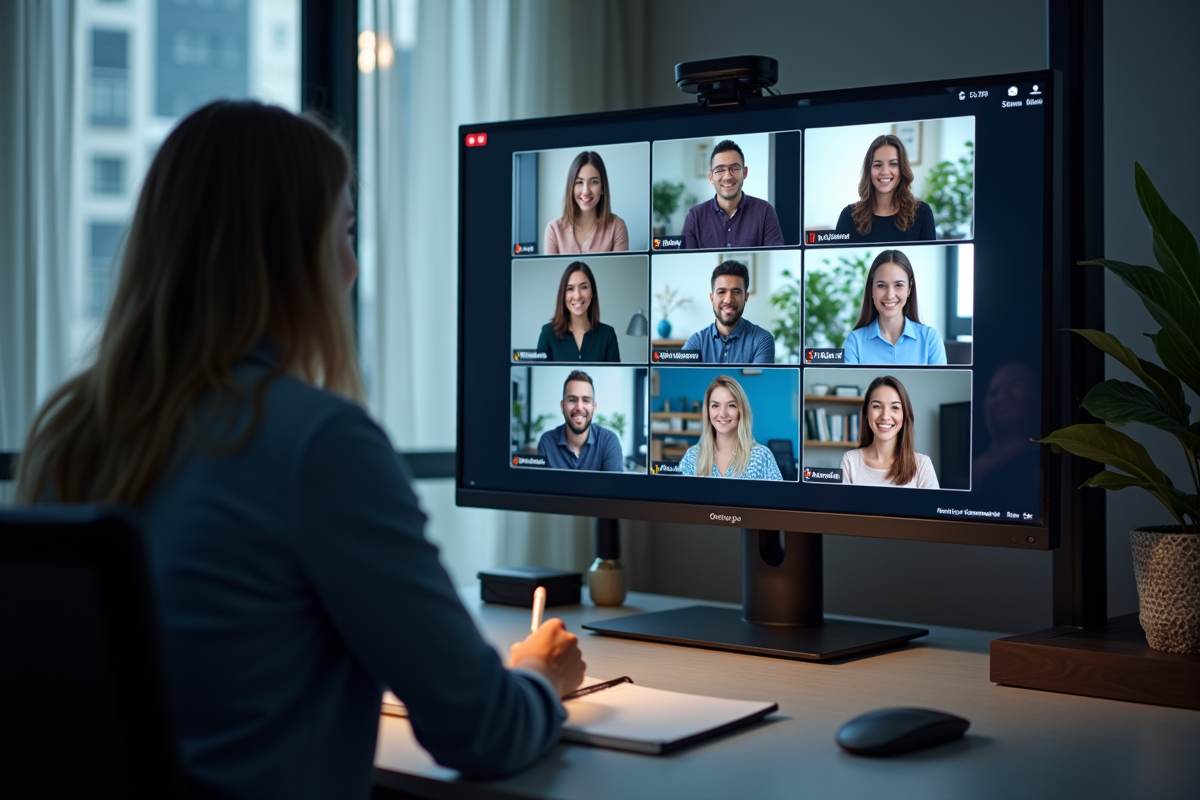
- Video conferencing erases distances, facilitates direct exchange, and accelerates project follow-up.
- Collaborative platforms gather data, protect exchanges, and adjust to the mobile working mode of dispersed teams.
- Organizational network analysis (ONA) identifies internal influencers, maps invisible interactions, and sheds light on group dynamics.
Cybersecurity becomes an essential foundation to ensure the confidentiality of shared information, a major issue for any organization engaging in digital transformation. Methods derived from design thinking and agile approaches, such as Scrum, Kanban, or SAFe, encourage collective intelligence, prioritize feedback, and accelerate the achievement of set goals.
The manager then transforms into the conductor of these tools, supports their teams in mastering new solutions, stimulates skill development, and ensures alignment with the overall strategy. The success of agile project management now depends on the ability to combine technologies, expertise, and collaborative practices to advance the entire collective.
Silent revolution or rapid mutation? What is certain is that team management will never again be just a simple checklist. It is reinvented every day, driven by technology and human intelligence, in a movement where the future of work is shaped without a safety net.