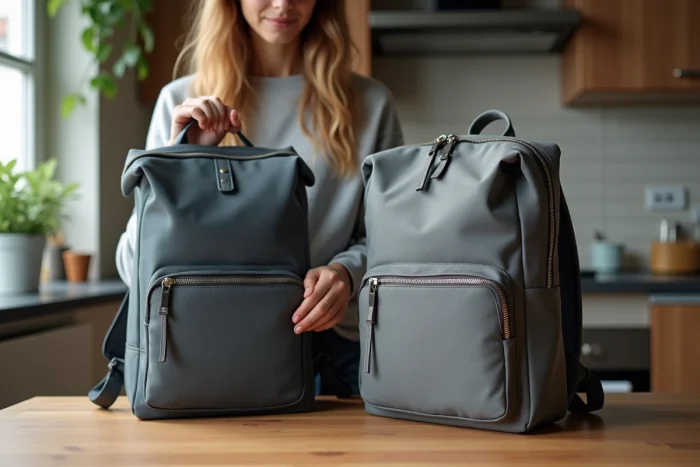
A fake Eastpak is not always easy to spot with the naked eye. Since the first models appeared on the European market, the wave of counterfeits has never receded, even in the face of increasingly strict customs checks. To combat this scourge, the brand has had to tighten its criteria and multiply verification points, giving buyers a chance not to be fooled.
This is not just a matter of logo or color. Between an original Eastpak and an imitation, every detail counts. The brand has codified its control methods: seams, labels, closures… nothing is left to chance. Recognizing the real from the fake involves careful observation of these elements, without settling for a quick glance.
Why the counterfeiting of Eastpak bags is an issue for consumers
The backpack market is flooded with counterfeits, and Eastpak is no exception. According to French customs, one in ten bags sold online under this brand would be a copy. The phenomenon is no longer confined to dubious sales channels: even second-hand sites are affected, to the point that authentication systems struggle to keep up. Buying a copy means risking paying for a product that won’t hold up: no recourse in case of defects, materials that don’t last, lack of after-sales support.
The differences between an original Eastpak and a fake are not trivial. They affect the trust placed in the brand and guarantee the durability of the bag. An authentic model ensures controlled design, solid finishes, and sometimes a long warranty. On the other hand, the copy cuts corners: poor fabrics, zippers that jam, seams that come apart. The tempting price masks real and often irreparable flaws.
To avoid unpleasant surprises, there are two reliable options: official stores or authorized resellers. There, the buyer benefits from genuine customer service and a verifiable serial number, two tools to protect against counterfeiting. Absolute caution on second-hand platforms: even “certified” models can hide an imitation, as counterfeiters refine their techniques.
Authenticity is not just a matter of status or image. It is also a way to ensure that your bag won’t fall apart after a few months, and to support an economy that respects creation and intellectual property. Before any transaction, weigh the risks, compare the indicators, and inform yourself about what distinguishes a genuine Eastpak from a knockoff.
What details allow you to differentiate a real Eastpak from an imitation?
To avoid falling into the trap, a thorough inspection is necessary. First signal: the fabric used. An original Eastpak features dense polyester, solid to the touch, sometimes reinforced with leather or nylon. In contrast, a copy often reveals its origin through a chemical smell or a too-light feel.
Next, look at the seams. On a real one, they run straight, without smudges, without loose threads. On a fake, approximation dominates: irregular stitches, uneven tension, sloppy finishes. The embroidered logo leaves no room for error: it must be clear, precise, with well-spaced letters. Any imperfection is glaring.
The zipper is another major indicator. Eastpak relies on the YKK brand, known for its reliability. The slider should be smooth, with the “YKK” marking clearly visible on the pull tab. If this signature is missing or if the zipper catches, suspicion arises.
Here are the points to check meticulously to distinguish the real from the fake:
- Serial number: present on a label sewn inside, it follows a specific format. A simple contact with customer service allows you to verify its authenticity.
- Certificate of authenticity: some models come with one, like an identity card for the bag.
Don’t overlook the accessories: zippers, buttons, inner labels. A coherent packaging, a flawless label, an apparent quality control: all positive signals. Conversely, any inconsistency in the details should raise immediate alarm.
Avoiding pitfalls: practical tips for buying an authentic bag with confidence
Acquiring an Eastpak requires constant attention, whether for a new or second-hand purchase. Official stores and recognized resellers are the only ones that guarantee the bag’s origin. This promise is based on checks at every stage, real traceability, and the presence of a serial number that is easily verifiable. If the price seems too low, it is likely a counterfeit.
Second-hand platforms should not be dismissed, but they require heightened vigilance. Even “authenticated” listings are not infallible. Before finalizing a purchase, don’t hesitate to request a certificate of authenticity and to validate the serial number with customer service. Quality photos showing key points (seams, logo, inner label) are already a first filter.
Technology is also becoming an ally. Blockchain allows tracing the history of certain bags, offering new transparency about the product’s journey. In some cases, artificial intelligence analyzes the material or the smell of the fabric to detect deception.
Finally, for those who want reassurance, click and collect in-store allows you to inspect the bag before purchasing. Touch the fabric, inspect the seams, examine the accessories. In case of doubt, contact customer service with the serial number: the response is unequivocal.
Ultimately, choosing a real Eastpak is betting on durability and trust. A neglected detail can lead to disappointment. A keen eye is the guarantee not to succumb to imitation. The real bag accompanies you, while the fake fades away. It’s up to each person to decide which side they want to walk on.