
A hedgehog’s footprint is distinguished by five well-defined toes, but the presence of two thumbs in the badger can create confusion. Fox droppings, often left in plain sight, serve to mark territory, while those of the polecat remain more discreet, hidden under vegetation. Hairs caught on a fence testify to a nocturnal passage.
The traces left around homes vary according to species, time, and season. Some marks quickly fade under the effect of rain or wind, making their identification more complex. Paying attention to these details allows for the identification of the discreet wildlife that frequents gardens.
Why do garden mammals leave so many fascinating clues?
Observing garden wildlife offers a rich spectacle, often unsuspected. At each dawn, the damp earth retains the trace of a nighttime visitor. Hedgehog, squirrel, rabbit or small mammals explore this territory out of sight. The garden, far from being static, harbors an astonishing diversity of animals, reflecting the vitality of the environment. Mammals naturally regulate insects: the hedgehog, a great lover of slugs and snails, plays a direct role in the health of the vegetable garden.
When traces multiply, remnants of meals, droppings, fur balls, they become true bio-indicators. Their presence or abundance provides information about soil quality. For example, small mammals thrive where aphids, mites, and springtails abound. More surprisingly, finding a snake dropping indicates the presence of beneficial predators and reveals the complexity of local biodiversity.
Each species, from the discreet vole to the ubiquitous domestic cat, participates in a game of balances and tensions. Cats, feared by birds and small mammals, can disrupt the garden’s routine. Yet, the accumulation of clues shows how much wildlife knows how to adapt, hold its place, and express the vigor of the garden. Paying attention to these signals, sometimes tiny, is to decode how each animal fits into the thriving life of the environment.
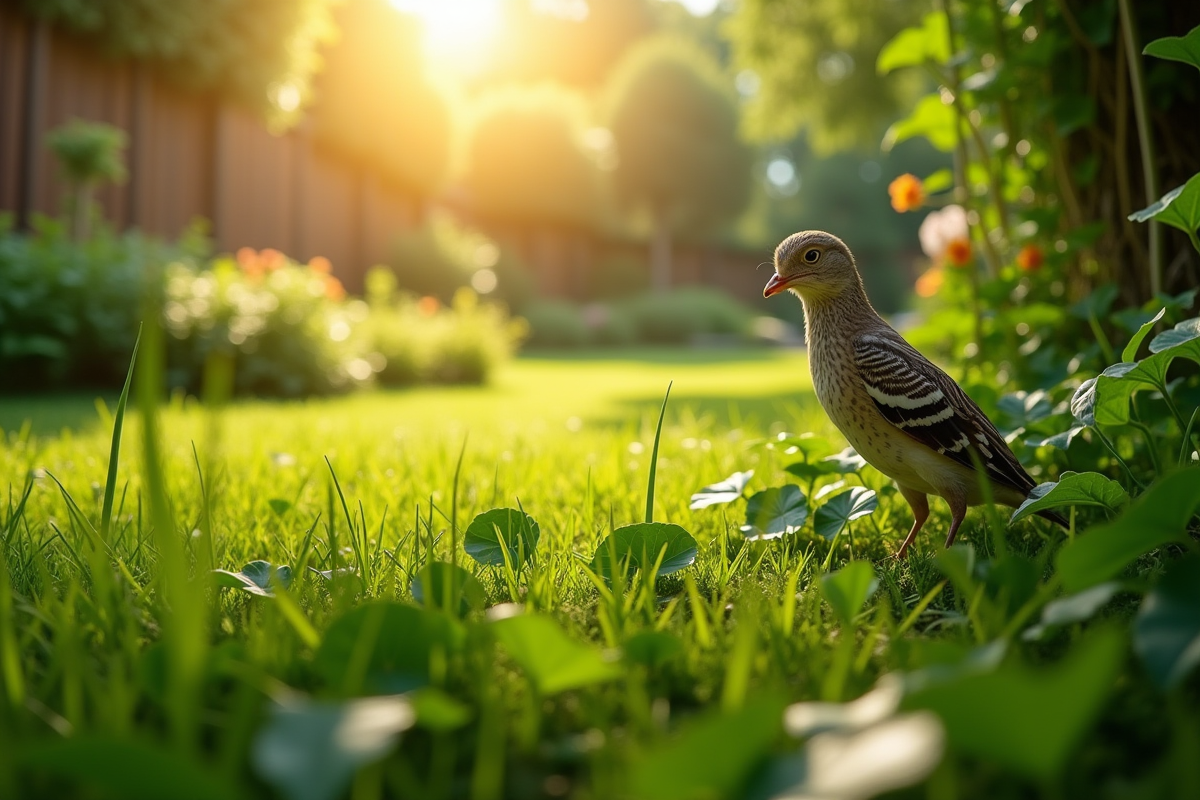
Simple techniques and tips to spot the discreet presence of mammals at home
To spot garden wildlife, it all starts with a keen eye, a patient observation at dawn, when the low light reveals the tracks of the night on the ground. Freshly turned earth, dew on the grass, or light sand: the footprint of a hedgehog, the trail of a field mouse, the mark of a squirrel tell a story that only the most attentive can read. Settling in early in the morning or waiting for dusk allows for observation without disturbing the tranquility of the visitors.
Some arrangements encourage the arrival of mammals: gathering wood in piles, leaving dead leaves at the edges, or creating wild areas around the vegetable garden. These spaces serve as refuges for a whole range of discreet wildlife. Banning pesticides encourages the arrival of insects, an essential food resource for many animals and natural allies of the garden.
Collecting clues requires attention: caught hairs, remnants of meals, identified droppings become markers of the health of the environment. To go further, equip yourself with binoculars, a notebook, or a camera. Recording each discovery, date, time, weather, and nature of the clue allows for a refined understanding of biodiversity on your land, just like true naturalists do.
Here are some concrete ideas to enrich your observations:
- Watch for footprints on the ground after a rain, a moment when they are most clearly defined.
- Listen for rustling at the edge of the garden, often revealing a small animal foraging.
- Leave some ripe fruits on the ground: a nibbled core indicates a nocturnal visit.
Each clue broadens the understanding of the living beings around us. Patience and curiosity are the allies of the gardener who wants to preserve and discover the secret dynamics of wildlife. Adapting one’s actions, observing relentlessly, is to open the door to an invisible life that, every night, reinvents the garden.