A building that breathes less carbon is not just a technical feat: it has now become a necessity. New standards in construction require professionals to step out of their comfort zones, rethinking every action, every material.
Low-carbon concrete is no longer an option reserved for pioneers. It is now a requirement in public tenders and is making its way onto private construction sites, redefining the game for everyone. Regulations leave little room for hesitation: those who build or renovate must integrate ecological impact into the equation. Habits are shattered, and the industry is rapidly reinventing itself.
Another underlying trend: prefabrication, long the domain of large industrial sites, is now entering individual homes. This evolution disrupts deadline management and optimizes resource use. Companies that embrace it gain agility and challenge economic models that once seemed set in stone.
What changes are currently transforming construction and renovation?
The construction sector is undergoing a profound renewal, driven by digital transition and the pressure of new rules. The climate and resilience law is uncompromising: it directs the entire profession towards transforming existing structures, with energy renovation in focus. The principle of ZAN (Zero Net Artificialization) embodies this desire to preserve land and limit urban sprawl. It is no longer about building on empty spaces, but about inventing the economy of transformation.
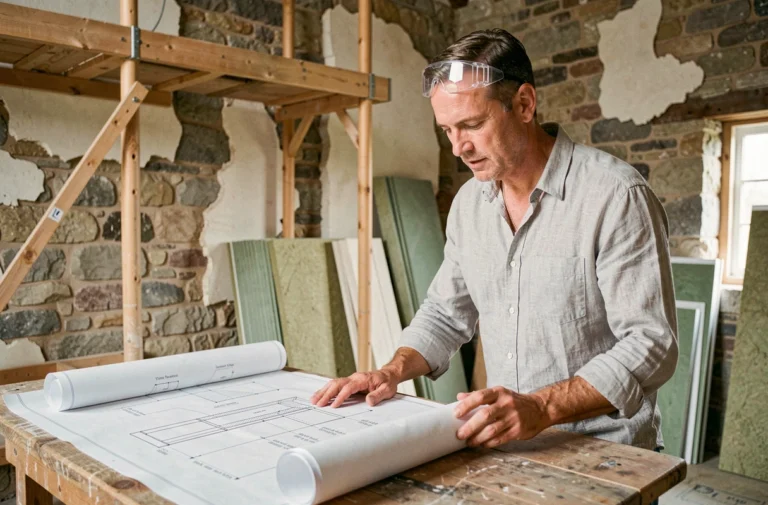
The terms “renovation,” “restoration,” and “rehabilitation” take on a whole new meaning. Renovating aims for performance; restoring seeks authenticity; rehabilitating modernizes without betraying the soul of a place. Each operation requires tailored expertise, a deep understanding of the built environment, its history, and its use. From now on, building innovation goes hand in hand with respect for heritage, intelligence of the territory, and the demand for sobriety.
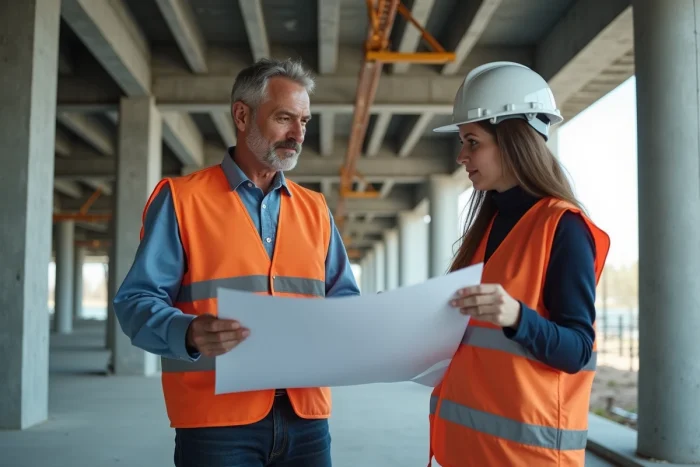
The digital transition is also reshaping site organization. Dematerialized plans, collaborative platforms, real-time management: coordination becomes smoother and management more precise. Professionals seek benchmarks and find in the ARTS Constructions website in-depth analyses, feedback, and updates on the latest tools and methods.
Amid sustainable development, new legislative texts, and technological breakthroughs, the landscape of construction is being shaped through cross-disciplinary approaches. Project owners, craftsmen, design offices: each navigates between constraints and promises, with the necessity to anticipate usage, safeguard future resources, and support the transformation of the sector in mind.
Focus on the technologies revolutionizing your construction sites
Some tools today weigh more than ever on the success of a project. Starting with BIM (Building Information Modeling): this collaborative 3D modeling is no longer reserved for large operations. It allows for viewing, correcting, and designing even before laying the first stone. Shared access to data reduces errors, streamlines communication, and accelerates decision-making. Advances in SaaS construction software enhance the security and efficiency of site management.
On the ground, robotics is changing the game. Robots for repetitive or arduous tasks, exoskeletons to relieve physical strain, connected objects to capture and analyze data: each innovation aims to limit accidents, anticipate risks, and optimize maintenance. The Internet of Things is becoming a discreet yet decisive ally.
Here are some technologies that are gradually becoming essential in the toolbox of professionals:
- Drones: they monitor construction sites, secure access, and generate detailed 3D models for precise tracking.
- 3D printing in construction: it speeds up construction, reduces material waste, and dares to create unprecedented shapes.
- Energy simulation: by modeling consumption and emissions, this technology helps achieve accuracy from the design stage.
- Virtual and augmented reality: to visualize projects, support decision-making, and limit unpleasant surprises during construction.
With these tools, building innovation takes on a concrete dimension. Energy efficiency, team safety, and execution quality progress in tandem. Each technology becomes a lever to transform practices, meet environmental challenges, and ensure performance throughout the building’s lifecycle.

From smart materials to connected tools: how to choose the right solutions for your project?
Selecting an innovative material or a connected technology is no longer just a matter of technique or cost. Project owners want solutions that combine energy efficiency, low ecological impact, and compliance with current standards, such as NF standards or DTU 23.5.
The advancements are spectacular: some self-healing concretes seal their own cracks, solar panels even work without direct sunlight, aerogels push the limits of thermal insulation, while green walls become both insulators and air purifiers. Graphene strengthens the most daring structures. Each innovation carries a promise of unprecedented performance and durability.
Rector beam and block floors provide, for example, a precise response to demanding renovation projects. Their design with prestressed beams and Rectolight modules ensures perfect compatibility with existing building constraints and total regulatory compliance. The work of the integrated design office allows for the creation of plans that consider all technical lots, from heating to plumbing, for seamless execution.
Finally, connected tools and industry software integrate into all stages, from design to delivery. Anticipating unforeseen events, tracking performance, securing progress: these solutions adapt to the nature of the building, its location, and specific climatic constraints, whether working in Savoie, Haute-Savoie, or elsewhere.
Behind each innovation, a new promise is emerging for the sector: to build better, faster, and in line with the challenges of our time. The next revolution is not waiting: it is being built, one site at a time, as the industry invents its own rules of the game.