In France, more than one in two employees still uses a personal car to get to work, despite the increasing number of public initiatives in favor of eco-mobility. However, nearly 70% of companies surveyed in 2023 report having invested in digital solutions to facilitate and optimize their employees’ business travel.
Carpooling apps, shared fleet management platforms, and carbon emission tracking tools are gradually becoming part of employees’ daily lives. The rise of remote work, on the other hand, reshuffles the deck of mobility strategies adopted by organizations.
The digitization of transport: what are the challenges for employees’ sustainable mobility?
The transformation of urban mobility is now a reality to embrace, far from empty promises and announcements. With the mobility orientation law now in effect, the stage is set: it is about rethinking commuting, reducing the carbon footprint associated with travel, and supporting the ecological transition at the heart of employment areas. In the face of these objectives, digital tools are asserting themselves as key partners.
The market for digital solutions has expanded significantly in just a few years. Now, we see the emergence of mobility plan management platforms, applications capable of measuring environmental impact, and services that optimize every route. Take Paris: mobility is evolving there thanks to systems like Argos RATP, which offers simplified access, tailored services, and features designed for the daily lives of businesses. Digitization goes far beyond simple ticketing: it shapes a new mobility service offering, rooted in sustainable development.
Here are some concrete levers activated by these innovations:
- Reduce solo trips and limit the environmental impact of travel
- Adjust transport offerings in real-time based on evolving schedules and needs
- Ensure individualized tracking of employee travel, in line with the objectives of mobility plans
The adoption of these tools by companies reflects a clear intention: to anticipate environmental challenges, attract profiles sensitive to these issues, and retain teams, while integrating the realities of sustainable mobility. The benefits are tangible: less stress for employees, better-organized trips, a more harmonious work-life balance. Digital solutions are quietly taking root, but they are profoundly changing the way urban mobility is conceived.

Digital tools, soft mobility, and remote work: how companies are transforming business travel
The management of business travel is now a key focus for human resources departments. Whether in Paris or Versailles, companies are betting on complementarity: soft mobility, digitization, remote work… these three dimensions are changing the daily lives of many employees. Digital platforms support this change and simplify the organization of trips, access to car-sharing, and services like MaaS (mobility as a service). As a result, the exclusive use of personal cars is declining in favor of concrete and adapted solutions.
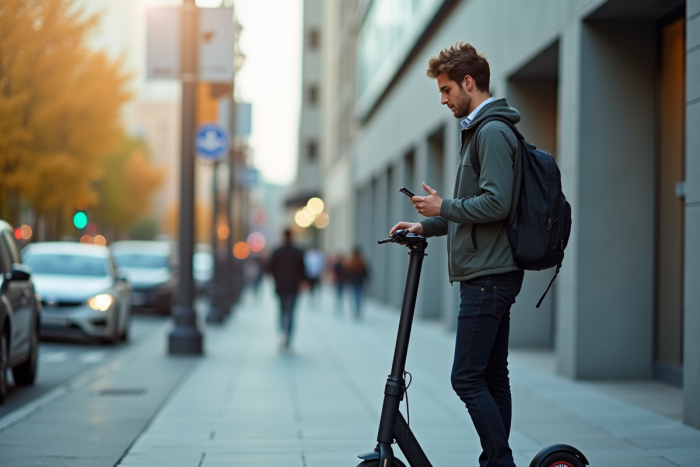
The rise of remote work has reshuffled the cards: peak hour transport usage is decreasing, travel times are being streamlined, and travel expenses are being optimized. Companies are evolving their mobility policies to better align with the diversity of expectations: some choose bicycles or scooters, while others prefer to alternate between public transport and carpooling. Management tools allow for tracking these changes, adjusting support, and ensuring a fairer distribution among employees.
These digital solutions offer several notable advantages:
- Provide each employee with a mobility solution tailored to their constraints and preferences
- Intelligently allocate resources according to territories and practices
- Encourage the reduction of the environmental footprint of each trip
Behind these changes, a dynamic is taking shape: digital solutions are integrating mobility in the workplace into a broader movement, where each business trip becomes an opportunity to act differently, connect teams, and give new life to the city.