Walking barefoot in the fresh grass, picking a handful of wild thyme at altitude, transforming plants into artisanal products: this is the daily life of a farm nestled in the Hautes-Alpes. L’Herbe sous le Pied is an agricultural operation that cultivates and harvests aromatic and medicinal plants using organic farming methods. Its approach combines farming know-how, respect for life, and local processing.
Herbalist Farming in the Hautes-Alpes: A Unique Agricultural Model
Have you ever bought herbal tea at the supermarket without knowing where the plants came from? The farm L’Herbe sous le Pied takes the opposite approach to this opacity. Located in a mountainous area, it practices manual harvesting and low-temperature drying, two techniques that preserve the volatile oils of the plants.
This type of production is part of the herbalist farming movement, supported by networks such as the Syndicat des Simples and Fermes d’Avenir since the early 2020s. The principle is simple: the producer controls the entire chain, from seed to finished product. No industrial intermediaries, no standardization.
To learn everything about L’Herbe sous le Pied, it is important to understand that this farm combines organic plot cultivation and foraging in preserved natural environments. Each batch of plants is traceable, which meets the growing demands of regulations on wild plants.
Organic Certification and Responsible Foraging: What Regulations Now Require

Since 2022-2023, several mountain departments have tightened their prefectural orders regarding the foraging of wild plants. Producers of aromatic plants must now document the origin and methods of harvesting for certain sensitive taxa. A sustainable foraging charter regulates the volumes harvested and the authorized areas.
L’Herbe sous le Pied combines its organic certification with this responsible foraging. Specifically, this means two things. First, the cultivated plots follow the organic specifications (no synthetic pesticides, crop rotation). Secondly, the plants harvested in natural environments adhere to specific quotas and periods.
Why this dual framework? Because a wild plant foraged without method can disappear from a site in just a few seasons. The regulations protect the resource, and the certification reassures consumers about the absence of chemical residues.
Artisanal Products from Aromatic Plants: From Distillation to Spreads
The farm’s range is not limited to bags of dried plants. It reflects a comprehensive transformation logic, with several product families.
- Floral waters and essential oils, obtained through artisanal distillation, retain the aromatic profile of fresh plants thanks to a slow and controlled process
- The spreads (called “tartin’ades” by the farm) combine aromatic herbs with plant bases for everyday culinary use
- The dried plants, packaged in small volumes, are intended for infusions or cooking, with a drying process that preserves color and flavor
- Lotions and floral drinks extend the use of distillation waters in natural cosmetics and refreshing beverages
Each product is made on-site, in the farm’s workshop. This ultra-short circuit between the field and the bottle guarantees a freshness that long supply chains cannot offer.
Artisanal Distillation: A Precise Technical Gesture
Distilling an aromatic plant is not just about heating water. The temperature, duration, and volume of steam directly influence the quality of the essential oil obtained. A still that is too hot degrades fragile molecules. A too-quick passage yields a poor product.
Farms like L’Herbe sous le Pied favor small-capacity stills and long distillation times. The yield is low in volume, but the concentration of active ingredients is significantly higher than that of industrial production.
Agritourism and Botanical Walks: The Farm as a Learning Place
Farms growing fragrant, aromatic, and medicinal plants (PPAM) are increasingly developing welcoming activities. Educational visits, botanical walks, workshops on infusions or wild cooking: agritourism represents a growing part of the activity of these operations since 2022.
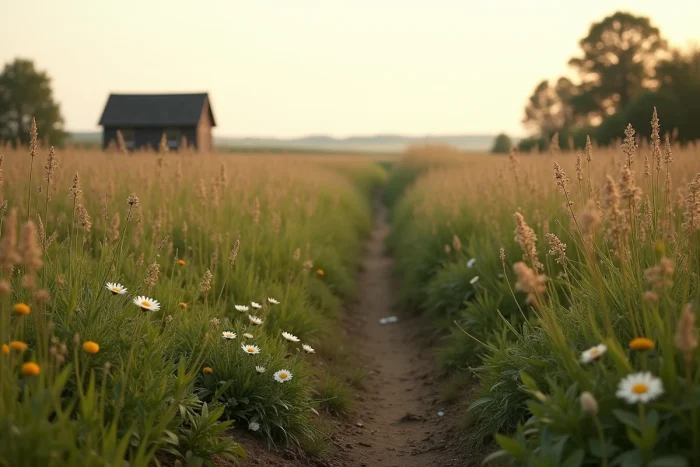
L’Herbe sous le Pied is part of this dynamic. In the mountainous area, the diversity of natural environments (high-altitude meadows, forest edges, wetlands) offers a rich ground for botanical discovery. Visitors learn to recognize plants, understand their traditional uses, and distinguish responsible foraging from excessive harvesting.
This educational aspect is not trivial. It anchors the farm in its territory and creates a direct link between the producer and the consumer. When you have seen lavender grow and witnessed its distillation, you no longer look at a bottle of essential oil the same way.
Organic Mountain Aromatic Plants: What Makes the Difference Every Day
A plant grown at altitude experiences more pronounced temperature fluctuations and more intense sunlight than in the plains. These conditions push the plant to produce more aromatic molecules for protection. The result: plants more concentrated in essential oils, with a clearer olfactory profile.
This is not a marketing argument. PPAM producers in the mountains observe this season after season. High-altitude thyme does not taste the same as garrigue thyme. Peppermint grown on the mountainside develops a more pronounced freshness.
- The soil, often poor and draining, forces the plant to root deeply, which enhances its natural resistance
- The absence of surrounding agricultural pollution limits cross-contamination
- Harsh winters naturally eliminate some pests, reducing the need for intervention
Choosing organic aromatic plants from the mountains means opting for a product whose growing conditions enhance quality without artifices. The farm L’Herbe sous le Pied exemplifies this logic, allowing the terroir and climate to do most of the work.